
Maritime crews today are more culturally diverse than at any point in history. Indian, Sri Lankan, Filipino, and African seafarers make up a significant share of the global workforce — and each group brings specific dietary habits, culinary traditions, and nutritional expectations. When those expectations aren't met, the consequences go far beyond an unsatisfying meal.
The link between food and crew morale
Life at sea is inherently isolating. Crews spend weeks or months away from family, working demanding schedules in confined spaces. In that context, meals become one of the few daily anchors — a moment of comfort and normalcy. When the galley consistently serves food that tastes like home, it has a measurable effect on morale, mental health, and job satisfaction.
Conversely, when provisions are generic, flavourless, or culturally wrong — a "curry powder" that bears no resemblance to actual masala, or rice that doesn't cook the way the crew expects — dissatisfaction compounds quickly. Crew members who feel their dietary needs are being ignored are less engaged, more fatigued, and more likely to flag welfare concerns during port state inspections.
MLC 2006 and the obligation to feed crews properly
The Maritime Labour Convention (MLC 2006) sets binding standards for food and catering on board. Regulation 3.2 requires that food be of "appropriate quality, nutritional value and quantity" and that it take into account the crew's "differing cultural and religious backgrounds." This isn't a suggestion — it's a compliance requirement enforced through port state control inspections.
In practice, this means a vessel with a predominantly Indian crew should have access to proper basmati rice, regional spice blends (not generic "curry" powder), dals, atta for roti, ghee, pickles, and tea. A vessel with African crew members should be provisioned with fufu, garri, palm oil, plantains, and appropriate seasonings. Generic Western provisions alone don't satisfy the standard.
What "authentic" actually means — and why substitutes fail
Authenticity in ship provisioning isn't about premium pricing or exotic labelling. It's about accuracy. An Indian cook knows the difference between MDH chana masala and a no-name "curry spice." A Sri Lankan galley needs actual Maldive fish, not a Western substitute. An African crew expects pounded yam flour that produces the right consistency, not a cornstarch blend sold as fufu.
When a chandler stocks the brands crews actually recognise — Aashirvaad atta, Tata Tea, MD chutney, Maggi cubes — the cook can work confidently. The food tastes right. Crew satisfaction goes up. Waste goes down because ingredients are used the way they were intended.
This is exactly what we focus on at Ship Chandler Thunder Bay's specialty provisions service: stocking regionally accurate Indian, Sri Lankan, and African ingredients from trusted brands — not approximations.
The sourcing challenge at remote ports
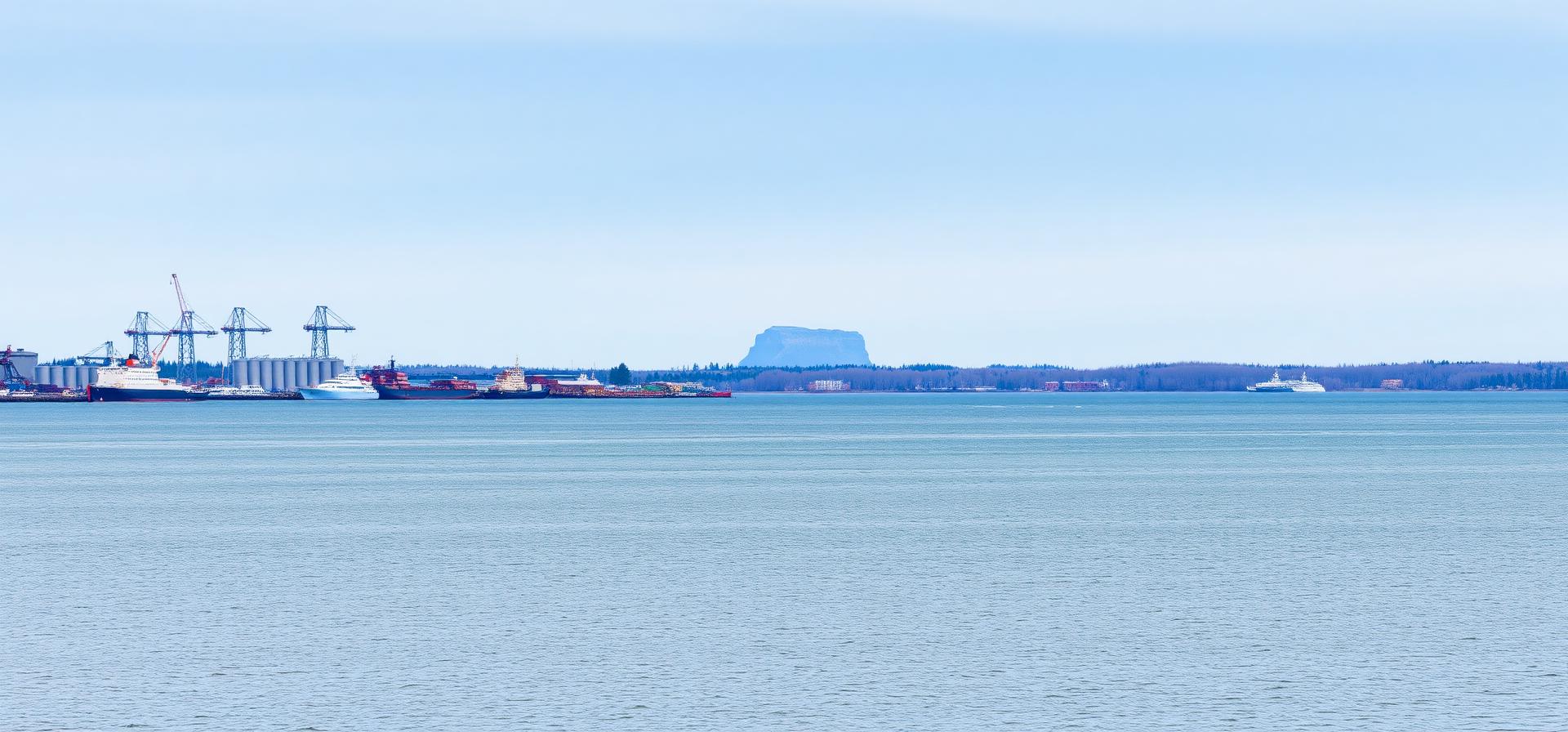
At major global ports — Singapore, Rotterdam, Jebel Ali — finding ethnic grocery suppliers is relatively straightforward. But at regional ports like Thunder Bay, sitting at the far western edge of the Great Lakes, the supply landscape is different. Local supermarkets don't carry the depth of South Asian or African products that a vessel's galley needs.
That's where a specialized, locally based ship chandler becomes essential. We maintain standing inventory of the most commonly requested Indian, Sri Lankan, and African staples — and for less common items, our established import relationships mean we can source them within 48 to 72 hours. Agents don't have to worry about whether Thunder Bay can supply what the crew needs. We've already solved that problem.
Dietary accommodations
Beyond regional cuisine, religious and dietary requirements are a core part of crew provisioning. We work closely with agents to understand each crew's specific needs and source accordingly, ensuring careful planning and proper segregation where required.
A chandler who understands these distinctions saves the agent and the cook time. We handle this routinely — our crew meal planning support accounts for dietary and cultural requirements as a standard part of the provisioning process, not an add-on.
The retention angle
Crew retention is one of the shipping industry's most persistent challenges. Seafarers who feel well cared for — who eat familiar food, have their dietary needs respected, and see that their employer has invested in their day-to-day comfort — are significantly more likely to sign on for another contract.
Food quality is often cited alongside internet access and shore leave as a top factor in crew satisfaction surveys. For the cost difference between generic provisions and authentic, properly sourced ones, the return on retention alone makes it worthwhile.
What agents can do
When placing a provisioning order, agents can make a significant difference by sharing a few key details with the chandler:
- Crew nationality breakdown — how many Indian, Sri Lankan, African, Filipino crew members?
- Dietary and religious requirements — any dietary, religious, or allergy requirements.
- Preferred brands or specific items — photos from the cook are welcome via WhatsApp.
- Voyage length — to calibrate quantities of fresh vs. frozen vs. dry.
This information allows the chandler to build a provisioning list that genuinely serves the crew — not just fills the cold room with whatever is available.
Provisioning for a diverse crew at Thunder Bay?
Share your crew profile, dietary needs, and ETA. We'll build a tailored provisioning list with authentic ingredients from brands your crew actually recognises.
Get a Quote